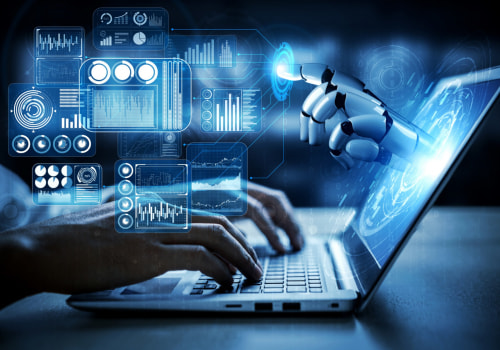
In the rapidly evolving landscape of digital marketing, the integration of artificial intelligence (AI) has emerged as a game-changer. AI-driven marketing strategies leverage advanced algorithms and data analysis to create more effective and targeted campaigns. This innovative approach not only enhances the efficiency of marketing efforts but also allows businesses to connect with their audiences on a deeper level. As companies strive to stay ahead in a competitive market, understanding the significance of P s of Marketing A Comprehensive becomes essential.Synthetic AI marketing focus groups utilize AI technology to simulate real-world consumer interactions, providing invaluable insights into customer preferences and behaviors. In the rapidly evolving landscape of digital marketing, the integration of artificial intelligence (AI) has emerged as a game-changer. AI-driven marketing strategies leverage advanced algorithms and data analysis to create more effective and targeted campaigns. This innovative approach not only enhances the efficiency of marketing efforts but also allows businesses to connect with their audiences on a deeper level. As companies strive to stay ahead in a competitive market, understanding the significance of P s of Marketing A Comprehensive becomes essential.Synthetic AI marketing focus groups utilize AI technology to simulate real-world consumer interactions, providing invaluable insights into customer preferences and behaviors. to create more effective and targeted campaigns. This innovative approach not only enhances the efficiency of marketing efforts but also allows businesses to connect with their audiences on a deeper level. As companies strive to stay ahead in a competitive market, understanding the significance of P s of Marketing A Comprehensive becomes essential.Synthetic AI marketing focus groups utilize AI technology to simulate real-world consumer interactions, providing invaluable insights into customer preferences and behaviors. In the rapidly evolving landscape of digital marketing, the integration of artificial intelligence (AI) has emerged as a game-changer. AI-driven marketing strategies leverage advanced algorithms and data analysis to create more effective and targeted campaigns. This innovative approach not only enhances the efficiency of marketing efforts but also allows businesses to connect with their audiences on a deeper level. As companies strive to stay ahead in a competitive market, understanding the significance of P s of Marketing A Comprehensive becomes essential.Synthetic AI marketing focus groups utilize AI technology to simulate real-world consumer interactions, providing invaluable insights into customer preferences and behaviors.
By analyzing data from these virtual focus groups, marketers can identify trends and patterns that inform their strategies. This method offers a cost-effective alternative to traditional focus groups, enabling businesses to gather feedback and refine their marketing approaches without the logistical challenges associated with in-person sessions.The role of data analysis in this context cannot be overstated. With the ability to process vast amounts of information quickly, AI tools can uncover hidden insights that drive decision-making. Marketers can utilize these insights to tailor their messaging, optimize ad placements, and enhance customer engagement.
As we delve deeper into the world of AI-driven marketing strategies, it becomes clear that harnessing the power of data analysis is crucial for achieving success in today’s digital environment.
Understanding Synthetic AI Marketing Focus Groups
Synthetic AI marketing focus groups represent a groundbreaking approach to market research, leveraging the power of artificial intelligence to simulate consumer interactions and gather insights. Unlike traditional focus groups, which rely on in-person discussions among selected participants, synthetic focus groups utilize AI algorithms to create virtual environments where consumer behavior can be analyzed in real-time.These synthetic groups are generated by feeding AI systems with extensive datasets that include demographic information, purchasing history, and behavioral patterns. The AI then constructs profiles of potential consumers, allowing marketers to explore various scenarios and predict how different segments might respond to specific marketing strategies or product offerings.Synthetic AI marketing focus groups represent a groundbreaking approach to market research, leveraging the power of artificial intelligence to simulate consumer interactions and gather insights. Unlike traditional focus groups, which rely on in-person discussions among selected participants, synthetic focus groups utilize AI algorithms to create virtual environments where consumer behavior can be analyzed in real-time.These synthetic groups are generated by feeding AI systems with extensive datasets that include demographic information, purchasing history, and behavioral patterns. The AI then constructs profiles of potential consumers, allowing marketers to explore various scenarios and predict how different segments might respond to specific marketing strategies or product offerings.Benefits of Synthetic AI Marketing Focus Groups
- Cost-Effectiveness: Traditional focus groups can be expensive due to recruitment costs, venue rentals, and facilitator fees. In contrast, synthetic focus groups significantly reduce these expenses by eliminating the need for physical gatherings.
- Speed: The speed at which synthetic focus groups can be conducted is another major advantage.
AI can analyze vast amounts of data almost instantaneously, providing marketers with insights much faster than traditional methods.
- Diverse Insights: Synthetic focus groups can simulate a wide range of consumer profiles and behaviors, offering a more comprehensive view of potential market reactions. This diversity helps businesses tailor their strategies to meet the needs of various segments.
- Real-Time Adjustments: With the ability to analyze data in real-time, marketers can adjust their strategies on the fly based on immediate feedback from the synthetic focus group simulations.
As the landscape of digital marketing continues to evolve, embracing these innovative approaches will be crucial for staying competitive and effectively meeting consumer demands.
The Role of Data Analysis in Marketing Optimization
In the realm of digital marketing, data analysis serves as a cornerstone for optimizing marketing strategies. By harnessing the power of data, businesses can make informed decisions that enhance their marketing efforts and drive better results. The integration of data analysis into marketing not only improves understanding of consumer behavior but also allows for the fine-tuning of campaigns to meet specific audience needs.Data can be sourced from various channels, including:- Website Analytics: Tools like Google Analytics provide insights into user behavior on websites, revealing which pages attract the most traffic and how long visitors stay.
- Social Media Metrics: Platforms such as Facebook, Twitter, and Instagram offer analytics that help marketers understand engagement levels, audience demographics, and content performance.
- Email Campaign Data: Analyzing open rates, click-through rates, and conversion rates from email campaigns can inform future messaging and targeting strategies.
- Customer Feedback: Surveys and reviews provide qualitative data that can highlight customer satisfaction and areas for improvement.
- Sales Data: Understanding purchase patterns and customer lifetime value can guide product offerings and promotional strategies.
- Identify Trends: Data analysis helps in recognizing emerging trends in consumer preferences, allowing businesses to adapt their strategies proactively.
- Enhance Targeting: With detailed insights into customer segments, marketers can create personalized campaigns that resonate more effectively with their audience.
- Optimize Budget Allocation: Understanding which channels yield the best ROI enables marketers to allocate resources more efficiently.
- Measure Performance: Continuous analysis allows for real-time adjustments to campaigns based on performance metrics, ensuring that marketing efforts remain aligned with business goals.
By leveraging diverse data sources and making informed decisions based on solid evidence, businesses can enhance their marketing strategies significantly. This approach not only leads to improved customer engagement but also drives higher conversion rates and overall success in the competitive digital landscape.
Leveraging Consumer Behavior Insights with AI
In the realm of digital marketing, understanding consumer behavior is paramount for crafting effective strategies. With the advent of artificial intelligence (AI), businesses can now delve deeper into the intricacies of consumer preferences and behaviors, enabling them to tailor their marketing efforts with precision.AI algorithms are designed to process vast amounts of data from various sources, including social media interactions, website analytics, and purchase histories. This data is invaluable as it provides a comprehensive view of how consumers engage with brands.By leveraging these insights, marketers can identify key trends and patterns that inform their strategies.
The Role of Predictive Analytics
One of the most significant advantages of utilizing AI in marketing is the power of predictive analytics. This technology allows businesses to forecast future consumer behaviors based on historical data. For instance, by analyzing past purchasing patterns, AI can predict which products are likely to be popular in upcoming seasons or identify potential shifts in consumer preferences.Predictive analytics not only helps in anticipating trends but also enables marketers to make proactive decisions. For example:- Targeted Campaigns: By understanding which demographics are likely to respond positively to specific campaigns, businesses can allocate resources more effectively.
- Inventory Management: Anticipating demand allows companies to manage their inventory better, reducing costs associated with overstocking or stockouts.
- Customer Retention: Identifying at-risk customers through behavioral analysis enables businesses to implement retention strategies before losing valuable clients.
By analyzing individual consumer data, businesses can craft messages that resonate on a personal level, enhancing engagement and conversion rates. For instance, if a consumer frequently purchases eco-friendly products, targeted ads featuring sustainable options can be presented to them.In conclusion, leveraging AI for consumer behavior insights transforms how businesses approach marketing. The integration of predictive analytics not only enhances understanding but also empowers marketers to anticipate trends and tailor their strategies effectively. As AI continues to evolve, its role in shaping consumer insights will undoubtedly become even more critical for successful marketing initiatives.
Personalization and Targeting through Data Analysis
In the realm of digital marketing, personalization has emerged as a critical strategy for engaging consumers and driving conversions.By leveraging data analysis, businesses can create highly tailored marketing experiences that resonate with individual preferences and behaviors. This approach not only enhances customer satisfaction but also fosters brand loyalty.One of the foundational elements of effective personalization is customer segmentation. This process involves dividing a broad target audience into smaller, more defined groups based on shared characteristics such as demographics, purchasing behavior, and interests. By understanding these segments, marketers can craft messages and offers that are specifically designed to appeal to each group.
Benefits of Customer Segmentation
- Enhanced Relevance: Tailored messages increase the likelihood of engagement by ensuring that content is relevant to the recipient's needs and interests.
- Improved ROI: Targeted campaigns often yield higher returns on investment as they focus resources on the most promising segments.
- Increased Customer Retention: Personalized experiences foster a sense of connection, encouraging customers to return for future purchases.
By utilizing AI algorithms, businesses can analyze vast datasets to uncover patterns that may not be immediately apparent. For instance, machine learning models can predict which products a customer is likely to purchase based on their past behavior, allowing marketers to send personalized recommendations at optimal times.Moreover, the integration of real-time data allows for dynamic personalization. As consumer preferences shift or new trends emerge, businesses can adjust their marketing strategies accordingly. This agility ensures that campaigns remain relevant and effective in an ever-changing market landscape.In conclusion, the combination of data analysis and customer segmentation empowers marketers to deliver personalized experiences that not only meet but exceed consumer expectations.
By focusing on targeted campaigns, businesses can enhance engagement, drive conversions, and ultimately build lasting relationships with their customers.
Automation in Marketing Processes with AI
In the realm of digital marketing, the integration of artificial intelligence (AI) has ushered in a new era of efficiency and effectiveness, particularly through the automation of various marketing processes. By leveraging AI technologies, businesses can streamline their operations, reduce manual workloads, and enhance overall productivity.One of the most significant areas where AI facilitates automation is in email marketing. Traditional email campaigns often require extensive planning and manual execution, which can be time-consuming. However, with AI-driven tools, marketers can automate the entire process—from segmenting audiences based on behavior and preferences to personalizing content for each recipient.This not only saves time but also increases engagement rates as emails are tailored to resonate with individual recipients.Moreover, AI can optimize the timing of email sends by analyzing when recipients are most likely to open and engage with their messages. This predictive capability ensures that emails reach consumers at the right moment, further enhancing the chances of conversion.Another critical aspect of marketing automation is social media management. AI tools can schedule posts, analyze engagement metrics, and even generate content suggestions based on trending topics or audience interests. By automating these tasks, marketers can maintain a consistent online presence without the constant need for manual input.
This allows teams to focus on strategy and creative development rather than getting bogged down in day-to-day operations.Additionally, AI-driven chatbots have revolutionized customer service within marketing processes. These intelligent systems can handle inquiries 24/7, providing instant responses to customer questions and guiding them through the sales funnel. By automating customer interactions, businesses can improve response times and enhance customer satisfaction while freeing up human resources for more complex issues.Furthermore, AI can analyze vast amounts of data from various marketing channels to identify trends and insights that inform future strategies. This data-driven approach allows marketers to make informed decisions quickly and adjust their campaigns in real-time based on performance metrics.In conclusion, the automation of marketing processes through AI not only enhances efficiency but also empowers businesses to deliver more personalized and timely experiences to their customers.
As technology continues to evolve, embracing these automated solutions will be crucial for companies aiming to stay competitive in the dynamic digital landscape.
Case Studies: Successful Implementation of Synthetic AI Focus Groups
In the realm of digital marketing, the application of synthetic AI focus groups has proven to be a game-changer for many companies. By simulating real-world consumer interactions, businesses can gather invaluable insights that inform their marketing strategies. Below are several case studies that highlight the successful implementation of synthetic AI focus groups and their impact on marketing outcomes.Case Study 1: Retail Brand X
Retail Brand X, a leading player in the fashion industry, sought to enhance its product launch strategy. By utilizing synthetic AI focus groups, they were able to simulate consumer reactions to various designs and marketing messages before the actual launch.The AI analyzed data from previous campaigns and consumer preferences to create realistic focus group scenarios.
- Outcome: The brand identified which designs resonated most with their target audience, leading to a 30% increase in pre-launch engagement compared to previous campaigns.
- Insight: The AI focus group revealed that consumers preferred eco-friendly materials, prompting the brand to adjust its product line accordingly.
Case Study 2: Tech Company Y
Tech Company Y aimed to refine its advertising strategy for a new gadget. By employing synthetic AI focus groups, they tested various ad formats and messaging styles. The AI-generated focus groups provided feedback on emotional responses and engagement levels.- Outcome: The company discovered that humorous ads performed significantly better than straightforward informational ones, resulting in a 50% increase in click-through rates.
- Insight: The analysis indicated that younger audiences were more likely to engage with content that included humor, leading to targeted campaigns for different demographics.
Case Study 3: Food Brand Z
Food Brand Z wanted to understand consumer preferences for a new product line. They utilized synthetic AI focus groups to simulate discussions around taste, packaging, and branding.This approach allowed them to gather diverse opinions without the logistical challenges of traditional focus groups.
- Outcome: The insights gained led to a successful product launch with a 40% higher market penetration than anticipated.
- Insight: Consumers expressed a strong preference for minimalist packaging, which influenced the final design and contributed to positive brand perception.
Challenges and Considerations in Using Synthetic AI Focus Groups
While synthetic AI focus groups offer innovative ways to gather consumer insights, they are not without their challenges and ethical considerations. Understanding these limitations is crucial for marketers aiming to leverage this technology effectively.Challenges of Synthetic Focus Groups
One of the primary challenges associated with synthetic AI focus groups is the potential for data bias. Since these groups are generated based on existing data sets, any biases present in the original data can be amplified in the synthetic models.This can lead to skewed results that do not accurately reflect the views or behaviors of the broader population.Additionally, the accuracy of simulations can be a concern. While AI can mimic real-world scenarios, it may not capture the nuances of human behavior and decision-making. Factors such as emotional responses, cultural influences, and social dynamics can be difficult to replicate in a synthetic environment, potentially leading to misleading conclusions.
Ethical Considerations in AI Marketing
Ethics play a significant role in the use of synthetic AI focus groups. Marketers must consider how they collect and utilize data, ensuring that they respect consumer privacy and adhere to regulations such as GDPR.Transparency is key; consumers should be informed about how their data is being used and have the option to opt out.Moreover, there is a risk of manipulation. With advanced AI capabilities, there is a temptation to exploit consumer vulnerabilities by tailoring marketing messages too precisely. This raises ethical questions about the responsibility marketers have in ensuring their strategies do not cross ethical lines.
Limitations of Data Analysis
Despite its advantages, data analysis has inherent limitations that marketers must navigate. One significant limitation is the quality of data.Poor-quality or incomplete data can lead to inaccurate insights, which can adversely affect marketing strategies. Therefore, it is essential for businesses to invest in robust data collection methods and ensure data integrity.Furthermore, reliance on data analysis can sometimes lead to a lack of creativity. While data-driven decisions are valuable, they should not replace human intuition and creativity in marketing. Balancing analytical insights with creative thinking is vital for developing compelling marketing campaigns that resonate with consumers.In conclusion, while synthetic AI focus groups present exciting opportunities for marketers, it is essential to approach them with caution.
By acknowledging the challenges and ethical considerations involved, businesses can better navigate the complexities of AI-driven marketing strategies.
Future Trends in AI-Driven Marketing Strategies
As we look to the future of AI-driven marketing strategies, several emerging trends and innovations are poised to reshape the digital marketing landscape. These advancements not only enhance the effectiveness of marketing campaigns but also provide deeper insights into consumer behavior, allowing businesses to stay ahead of the competition.1.Enhanced Personalization through AI
- One of the most significant trends is the move towards hyper-personalization. By leveraging AI algorithms, marketers can analyze vast amounts of data to create highly tailored experiences for individual consumers. This goes beyond simply addressing customers by their names; it involves understanding their preferences, behaviors, and purchasing history to deliver content and offers that resonate on a personal level.
2.Predictive Analytics and Consumer Insights
- Predictive analytics will continue to evolve, enabling marketers to anticipate consumer needs before they even arise.
By analyzing historical data and identifying patterns, businesses can forecast future trends and adjust their strategies accordingly. This proactive approach allows companies to launch products or campaigns that align with consumer demand, ultimately driving higher engagement and conversion rates.
3.Integration of Augmented Reality (AR) and Virtual Reality (VR)
- The integration of AR and VR technologies into marketing strategies is set to revolutionize how brands interact with consumers. These immersive experiences can enhance product demonstrations, allowing customers to visualize products in their own environments before making a purchase. As these technologies become more accessible, we can expect to see innovative marketing campaigns that leverage AR and VR for deeper engagement.
4.Voice Search Optimization
- With the rise of smart speakers and voice-activated devices, optimizing for voice search is becoming increasingly important.
Marketers will need to adapt their SEO strategies to accommodate natural language queries, ensuring that their content is easily discoverable through voice search platforms.
5.Ethical AI and Data Privacy
- As AI continues to play a pivotal role in marketing, ethical considerations surrounding data privacy will become paramount. Consumers are becoming more aware of how their data is used, prompting businesses to adopt transparent practices regarding data collection and usage. Companies that prioritize ethical AI practices will not only build trust with their customers but also differentiate themselves in a crowded marketplace.
Conclusion: The Future of Marketing with Data-Driven Insights and AI
As we look towards the future of marketing, it is clear that the integration of data-driven insights and artificial intelligence (AI) will play a pivotal role in shaping effective marketing strategies.The discussions throughout this article have highlighted the transformative power of synthetic AI marketing focus groups and how they can provide businesses with unparalleled insights into consumer behavior.By leveraging these advanced focus groups, companies can simulate real-world scenarios and gather data that reflects genuine consumer preferences and trends. This not only enhances the accuracy of market research but also allows businesses to tailor their marketing strategies to meet the evolving needs of their target audience.Moreover, the ability to analyze vast amounts of data through AI algorithms enables marketers to identify patterns and predict future consumer behaviors. This predictive capability is essential for staying ahead in a competitive landscape, as it allows businesses to proactively adjust their strategies based on anticipated market shifts.In addition to predictive analytics, the personalization of marketing efforts has become increasingly important. With insights gained from data analysis, companies can create highly targeted campaigns that resonate with individual consumers.
This level of personalization not only enhances customer engagement but also drives higher conversion rates, ultimately leading to increased ROI.Furthermore, automation powered by AI streamlines various marketing processes, freeing up valuable time for marketers to focus on strategic initiatives. By automating tasks such as content creation and ad targeting, businesses can improve efficiency while ensuring that their marketing efforts remain relevant and impactful.In conclusion, the future of marketing lies in the seamless integration of data analysis and AI technologies. As businesses continue to embrace these innovations, they will be better equipped to understand their customers, optimize their strategies, and achieve sustainable growth in an ever-changing digital landscape. The journey towards a more data-driven approach is not just a trend; it is a necessity for any organization aiming to thrive in the future.