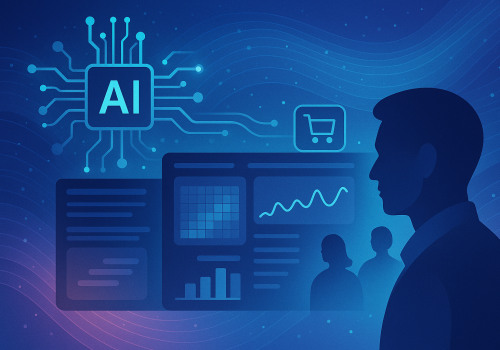
In an era where data drives decision-making, AI-based market researchAI-based market research has emerged as a transformative force for businesses seeking to gain a competitive edge while also considering their environmental impact. By leveraging advanced algorithms and machine learning techniques, companies can now analyze vast amounts of consumer data with unprecedented speed and accuracy. This shift not only enhances the efficiency of market research but also provides deeper insights into consumer behavior, preferences, and emerging trends.One of the most innovative applications of AI in this domain is the concept of the synthetic AI marketing focus group. Unlike traditional focus groups that rely on a limited number of participants, synthetic AI focus groups utilize simulated environments and virtual personas to gather insights from a broader audience.
This approach allows businesses to test marketing strategies and product concepts in real-time, providing a more comprehensive understanding of how different demographics might respond to various stimuli.The significance of these advancements cannot be overstated. As competition intensifies across industries, the ability to quickly adapt to changing consumer preferences is paramount. AI-based market research equips businesses with the tools necessary to not only keep pace with competitors but also anticipate market shifts before they occur. By harnessing the power of synthetic AI marketing focus groups, companies can refine their strategies, enhance customer engagement, and ultimately drive growth.As we delve deeper into the world of AI-driven market research, it becomes clear that understanding consumer insights is no longer a luxury but a necessity.
The integration of AI technologies into market research practices is paving the way for more informed decision-making and strategic planning, ensuring that businesses remain at the forefront of their industries.
Understanding Synthetic AI Marketing Focus Groups
Synthetic AI marketing focus groups represent a groundbreaking approach to market research, leveraging artificial intelligence to simulate traditional focus group dynamics. Unlike conventional focus groups that rely on human participants to provide insights into consumer behavior and preferences, synthetic AI focus groups utilize advanced algorithms and machine learning to generate realistic discussions and feedback based on vast datasets.Synthetic AI marketing focus groups represent a groundbreaking approach to market research, leveraging artificial intelligence to simulate traditional focus group dynamics. Unlike conventional focus groups that rely on human participants to provide insights into consumer behavior and preferences, synthetic AI focus groups utilize advanced algorithms and machine learning to generate realistic discussions and feedback based on vast datasets.Definition
: A synthetic AI marketing focus group is an AI-driven simulation that mimics the interactions and discussions of a traditional focus group. By analyzing existing consumer data, these AI systems can create virtual participants that reflect diverse demographics, preferences, and behaviors. This allows businesses to gather insights without the logistical challenges and costs associated with organizing physical focus groups.
Benefits
: The advantages of using synthetic AI marketing focus groups are numerous:
- Cost-Effectiveness : Traditional focus groups can be expensive due to participant recruitment, venue costs, and facilitator fees.
Synthetic AI focus groups significantly reduce these expenses by eliminating the need for physical gatherings.
- Speed : AI can process and analyze data at an unprecedented pace. Businesses can receive insights almost in real-time, allowing for quicker decision-making and strategy adjustments.
- Diversity of Insights : Synthetic focus groups can simulate a wide range of consumer profiles, ensuring that businesses receive feedback from various perspectives. This diversity helps in understanding niche markets and tailoring products accordingly.
- Reduced Bias : Human biases can influence traditional focus group outcomes. Synthetic AI focus groups rely on data-driven insights, minimizing the risk of bias in feedback collection.
Applications
: The applications of synthetic AI marketing focus groups are vast:
- Product Development : Companies can test new product concepts or features by simulating consumer reactions before launch.
- Brand Positioning : Understanding how different demographics perceive a brand can help in refining marketing strategies.
- Advertising Testing : Businesses can evaluate the effectiveness of advertisements by gauging simulated consumer responses.
By harnessing the power of artificial intelligence, businesses can gain deeper insights into consumer behavior while saving time and resources. As this technology continues to evolve, it is poised to become an essential tool for marketers aiming to stay ahead in a competitive landscape.
The Role of AI in Market Research
Artificial Intelligence (AI) is fundamentally transforming the landscape of market research, enabling businesses to harness vast amounts of data and derive actionable insights with unprecedented speed and accuracy. By employing advanced algorithms and machine learning techniques, AI can analyze consumer behavior, identify market trends, and provide a deeper understanding of the competitive landscape.One of the primary roles of AI in market research is its ability to process large datasets efficiently. Traditional methods often involve manual data collection and analysis, which can be time-consuming and prone to human error.In contrast, AI systems can sift through millions of data points in real-time, identifying patterns and correlations that might otherwise go unnoticed. This capability allows businesses to make informed decisions based on comprehensive data analysis rather than relying on intuition or outdated information.
Uncovering Consumer Behavior Insights
AI excels at uncovering insights into consumer behavior by analyzing various data sources, including social media interactions, online reviews, and purchasing history. For instance, sentiment analysis tools powered by AI can evaluate customer feedback across platforms to gauge public perception of a brand or product. This information is invaluable for tailoring marketing strategies to meet consumer needs effectively.Moreover, AI can segment consumers into distinct groups based on their preferences and behaviors.By understanding these segments, businesses can create targeted marketing campaigns that resonate with specific audiences. This level of personalization not only enhances customer engagement but also increases conversion rates.
Tracking Market Trends
In addition to analyzing consumer behavior, AI plays a crucial role in tracking market trends. By continuously monitoring industry developments and competitor activities, AI systems can provide real-time insights that help businesses stay ahead of the curve. For example, predictive analytics can forecast future market conditions based on historical data, allowing companies to adjust their strategies proactively.Furthermore, AI-driven tools can analyze external factors such as economic indicators and social trends that may impact market dynamics.This holistic view enables businesses to make strategic decisions that align with current and anticipated market conditions.In conclusion, the integration of AI into market research is not just a trend; it is a necessity for businesses aiming to thrive in a competitive environment. By leveraging AI's capabilities in data analysis and consumer insights, companies can enhance their marketing strategies, improve customer satisfaction, and ultimately drive growth.
Benefits of Using Synthetic AI Marketing Focus Groups
In the realm of market research, Synthetic AI Marketing Focus Groups are emerging as a transformative tool that offers numerous advantages over traditional methods. These AI-driven focus groups leverage advanced algorithms to simulate human interactions, providing businesses with a wealth of insights while enhancing efficiency and accuracy.1.Increased Efficiency
One of the most significant benefits of synthetic AI focus groups is their ability to streamline the research process. Traditional focus groups often require extensive planning, recruitment, and scheduling, which can be time-consuming.
In contrast, synthetic AI focus groups can be set up quickly and run continuously without the logistical challenges associated with human participants. This allows businesses to gather feedback in real-time, enabling them to respond swiftly to market changes and consumer preferences.
2.Enhanced Accuracy
Accuracy in data collection is paramount for effective decision-making. Synthetic AI focus groups utilize sophisticated algorithms that analyze vast amounts of data with precision. Unlike human moderators who may introduce bias or misinterpret responses, AI systems can objectively evaluate participant interactions and sentiments.
This leads to more reliable insights that reflect genuine consumer opinions, ultimately guiding businesses in crafting targeted marketing strategies.
3.Cost-Effectiveness
Cost is a critical factor for many businesses when conducting market research. Traditional focus groups often incur high expenses related to participant compensation, venue rental, and moderator fees. Synthetic AI focus groups significantly reduce these costs by eliminating the need for physical spaces and human facilitators. With lower operational costs, companies can allocate their budgets more effectively, allowing for more frequent research initiatives and broader data collection.
4.Scalability
Synthetic AI focus groups offer unparalleled scalability compared to traditional methods.
Businesses can easily adjust the size and scope of their research efforts based on specific needs or objectives. Whether a company wants to test a new product concept or gauge consumer sentiment on a marketing campaign, synthetic AI can accommodate varying levels of complexity without compromising quality.
5.Diverse Insights
Another advantage of synthetic AI marketing focus groups is their ability to simulate diverse demographic profiles. By programming the AI to represent various consumer segments, businesses can gain insights from a broader audience without the limitations of geographical constraints or participant availability. This diversity enriches the data collected and helps companies understand different perspectives within their target market.In summary, the benefits of utilizing Synthetic AI Marketing Focus Groups are clear: increased efficiency, enhanced accuracy, cost-effectiveness, scalability, and diverse insights make them an invaluable asset for businesses aiming to stay ahead in a competitive landscape.
As technology continues to evolve, embracing these innovative tools will be essential for companies looking to refine their marketing strategies and better understand consumer behavior.
Case Studies: Successful Implementation of Synthetic AI Marketing Focus Groups
In the realm of marketing, the integration of synthetic AI marketing focus groups has proven to be a game-changer for numerous companies. By leveraging advanced AI technologies, these organizations have been able to gather insights that were previously unattainable through traditional methods. Below are some notable case studies that illustrate the successful implementation of synthetic AI marketing focus groups.1.Unilever: Enhancing Product Development
Unilever, a global leader in consumer goods, utilized synthetic AI marketing focus groups to refine its product development process. By simulating diverse consumer interactions, Unilever was able to gather real-time feedback on new product concepts.The AI-driven focus groups analyzed consumer sentiments and preferences, allowing Unilever to make data-informed decisions about which products to launch. As a result, the company reported a 30% increase in successful product launches within the first year of implementation.
2.Coca-Cola: Optimizing Marketing Campaigns
Coca-Cola adopted synthetic AI marketing focus groups to enhance its advertising strategies. By creating virtual focus groups that mimicked real consumer behavior, Coca-Cola was able to test various ad creatives and messaging before launching them in the market. The AI analyzed engagement levels and emotional responses, leading to a more targeted approach in their campaigns.This strategy resulted in a 15% boost in campaign effectiveness and significantly improved ROI.
3.Procter & Gamble: Understanding Consumer Behavior
Procter & Gamble (P&G) implemented synthetic AI marketing focus groups to delve deeper into consumer behavior patterns. By utilizing AI algorithms to analyze discussions and feedback from virtual focus groups, P&G gained insights into changing consumer preferences during the pandemic. This allowed them to pivot their marketing strategies swiftly, ensuring that their messaging resonated with consumers' evolving needs. The outcome was a remarkable 20% increase in customer engagement across their digital platforms.4.Ford: Innovating Product Features
Ford Motor Company leveraged synthetic AI marketing focus groups to innovate its vehicle features based on consumer feedback.By simulating discussions among potential car buyers, Ford was able to identify desired features and design elements that appealed most to their target audience. This approach not only streamlined the design process but also led to the introduction of features that increased customer satisfaction ratings by 25%.These case studies highlight the transformative power of synthetic AI marketing focus groups across various industries. Companies that embrace this technology can expect not only enhanced decision-making capabilities but also improved customer satisfaction and loyalty. As more organizations recognize the value of AI-driven insights, the landscape of market research will continue to evolve, paving the way for more innovative strategies in understanding consumer behavior.
Challenges and Ethical Considerations in AI-Based Market Research
As businesses increasingly turn to AI-based market research for insights, it is essential to address the challenges and ethical considerations that accompany this technology.While AI offers significant advantages, it also raises important questions about data privacy, algorithmic bias, and the ethical implications of its use.One of the foremost challenges in AI market research is data privacy. With the collection of vast amounts of consumer data, companies must navigate complex regulations such as the General Data Protection Regulation (GDPR) and the California Consumer Privacy Act (CCPA). These laws impose strict guidelines on how personal data can be collected, stored, and used. Failure to comply can result in hefty fines and damage to a company's reputation.
Therefore, businesses must implement robust data management practices to ensure compliance while still leveraging AI's capabilities.Another significant concern is the potential for bias in algorithms. AI systems learn from historical data, which may contain inherent biases reflecting societal inequalities. If these biases are not addressed, they can lead to skewed results that misrepresent consumer behavior or preferences. For instance, an AI model trained on biased data may inadvertently favor certain demographics over others, leading to marketing strategies that exclude or misinterpret significant segments of the population.
To mitigate this risk, companies should prioritize diversity in their training datasets and regularly audit their algorithms for fairness.Moreover, the reliance on AI in market research raises ethical questions about the human element in decision-making. While AI can process data at unprecedented speeds, it lacks the emotional intelligence and contextual understanding that human researchers bring to the table. This gap can lead to decisions that are technically sound but fail to resonate with consumers on a personal level. Businesses should strive for a balanced approach that combines AI insights with human intuition and creativity.In conclusion, while AI-based market research presents exciting opportunities for businesses, it is crucial to navigate the associated challenges and ethical considerations carefully.
By prioritizing data privacy, addressing algorithmic bias, and maintaining a human touch in decision-making processes, companies can harness the power of AI responsibly and effectively.
Future Trends in Synthetic AI Marketing Focus Groups
As we look to the future of synthentic AI marketing focus groups, several trends are emerging that promise to reshape the landscape of market research. These advancements in technology are not only enhancing the capabilities of AI but also redefining how businesses engage with consumers and gather insights.1.Enhanced Data Integration
One of the most significant trends is the integration of various data sources into synthetic AI marketing focus groups. As businesses increasingly rely on multiple platforms for consumer interaction—ranging from social media to e-commerce—AI will evolve to synthesize data from these diverse channels. This holistic approach will provide a more comprehensive view of consumer behavior, allowing companies to tailor their marketing strategies more effectively.
2.Real-Time Feedback Mechanisms
The future will likely see a shift towards real-time feedback mechanisms powered by AI.
Traditional focus groups often rely on delayed feedback, which can hinder timely decision-making. However, advancements in AI technology will enable businesses to gather instant insights from synthetic focus groups, allowing for rapid adjustments in marketing strategies based on current consumer sentiment.
3.Personalization at Scale
As AI continues to advance, the ability to deliver personalized experiences at scale will become a reality. Synthetic AI marketing focus groups will leverage machine learning algorithms to analyze individual preferences and behaviors, enabling brands to create highly targeted campaigns that resonate with specific audience segments. This level of personalization can significantly enhance customer engagement and loyalty.
4.Ethical Considerations and Transparency
With the increasing reliance on AI in market research, ethical considerations will play a crucial role in shaping future trends.
Businesses will need to prioritize transparency in how they collect and use consumer data within synthetic focus groups. Establishing clear guidelines and ethical standards will be essential for maintaining consumer trust and ensuring compliance with regulations.
5.Virtual Reality (VR) and Augmented Reality (AR) Integration
The integration of VR and AR technologies into synthetic AI marketing focus groups is another exciting trend on the horizon. These immersive technologies can create realistic environments for consumers to interact with products or services, providing deeper insights into their preferences and behaviors. By simulating real-world scenarios, businesses can gain valuable feedback that traditional methods may not capture.In conclusion, the future of synthetic AI marketing focus groups is poised for transformation through technological advancements and evolving strategies.
By embracing these trends, businesses can enhance their market research efforts, leading to more informed decision-making and ultimately a stronger competitive edge in their respective industries.
Conclusion: Embracing Synthetic AI Marketing Focus Groups for Competitive Advantage
In conclusion, the integration of Synthetic AI Marketing Focus Groups into market research strategies represents a transformative shift in how businesses can understand and engage with their target audiences. As we have explored throughout this article, the benefits of utilizing AI-driven focus groups are manifold, providing companies with a robust framework for gaining insights that are not only timely but also deeply relevant to consumer needs.One of the most significant advantages of synthetic AI focus groups is their ability to process vast amounts of data quickly and accurately. This capability allows businesses to identify emerging trends and consumer preferences in real-time, enabling them to adapt their marketing strategies proactively rather than reactively. By leveraging AI algorithms, companies can analyze feedback from diverse demographics, ensuring that their marketing messages resonate with a broader audience.Moreover, synthetic AI focus groups eliminate many of the biases inherent in traditional market research methods.By relying on data-driven insights rather than subjective interpretations, businesses can make more informed decisions that align closely with actual consumer behavior. This objectivity not only enhances the credibility of the research findings but also fosters greater trust among stakeholders.Additionally, the cost-effectiveness of synthetic AI focus groups cannot be overstated. Traditional focus group methodologies often involve significant expenses related to participant recruitment, venue rental, and facilitation. In contrast, AI-driven approaches streamline these processes, allowing companies to allocate resources more efficiently while still obtaining high-quality insights.As we navigate an increasingly competitive marketplace, embracing synthetic AI marketing focus groups is not just an option; it is a necessity for businesses aiming to maintain a competitive edge.
The ability to harness advanced technology for market research empowers organizations to stay ahead of their competitors by anticipating consumer needs and preferences.In summary, the adoption of synthetic AI marketing focus groups offers a strategic advantage that can significantly enhance a company's market positioning. By embracing this innovative approach, businesses can unlock new opportunities for growth and ensure they remain relevant in an ever-evolving landscape.